
Cancer surgery is a major step in your treatment journey. Whether it is surgery treatment for cancer of the liver, pancreas, stomach, breast, or any other organ, the road to recovery can feel overwhelming. But with the right care and guidance, healing becomes smoother and faster.
Recovery after cancer surgery is not just about the body. It involves your mind, your food habits, your daily routine, and your relationship with your medical team. The good news is that small, consistent steps can make a big difference.
Dr. Manoj Dongare, a top cancer surgeon and one of the most trusted names in surgical treatment for cancer in Pune and PCMC, has helped thousands of patients recover successfully after complex cancer surgeries. With over 17 years of experience in surgical oncology, HPB surgery, and liver transplants, he understands what patients truly need during the recovery phase.
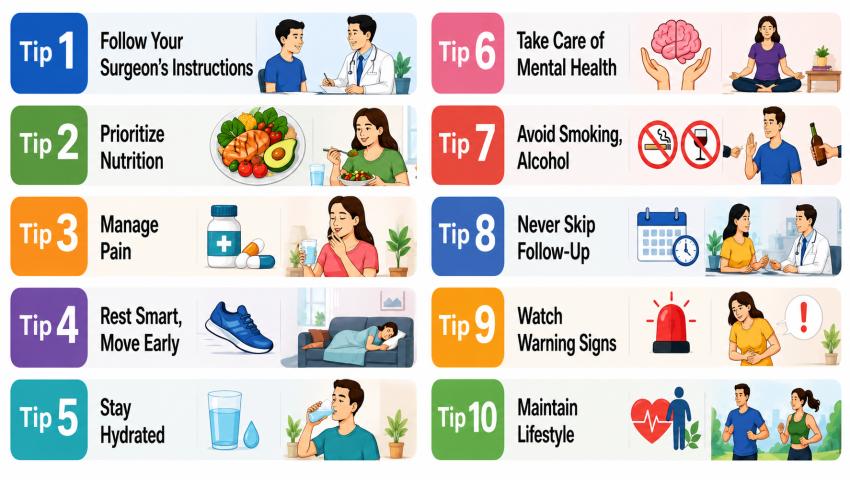
This blog shares 10 practical and easy-to-follow tips that can help you or your loved one recover faster after cancer surgery.
Understanding the Recovery Phase After Cancer Surgery:
After any major surgical treatment for cancer, the body goes through a natural healing process. This includes tissue repair, reduction of internal swelling, and rebuilding strength. The recovery timeline depends on several factors:
- Type of cancer and surgery performed
- Whether it was open surgery or minimally invasive (laparoscopic) surgery
- Age and overall health of the patient
- Any additional treatment, such as chemotherapy or radiation, after surgery
Recovery can take anywhere from a few weeks to several months. The key is not to rush the process but to support it with the right habits.
Tip 1 — Follow Your Surgeon's Post-Operative Instructions:
This is the most important step. After surgery, your doctor will give you specific discharge instructions. These include:
- How to care for your wound and surgical site
- Which medicines to take and when
- What activities to avoid
- When to come back for a follow-up
Do not ignore these instructions or make changes on your own. Every patient’s case is different, and the advice given to you is based on your specific surgery and health condition. If you have any doubts, always call your surgical team before making any changes.
Tip 2 — Prioritize Nutrition for Faster Healing:
Food is medicine during recovery. After cancer surgery, your body needs extra nutrients to heal tissues, fight infection, and rebuild strength. Focus on:
- High-protein foods like dal, eggs, paneer, chicken, and fish — they help repair tissues
- Fresh fruits and vegetables rich in vitamins and antioxidants
- Whole grains like brown rice, oats, and roti for steady energy
- Easy-to-digest foods especially in the first few weeks after surgery
Avoid processed foods, fried items, spicy food, and anything that upsets your stomach. If you have had liver or GI cancer surgery, your diet plan may be more specific. Ask your doctor or a registered dietitian for guidance.
Tip 3 — Manage Pain the Right Way:
Some level of pain after surgery is completely normal. But unmanaged pain slows down recovery and affects your sleep and mood. Here is how to manage it properly:
- Take pain medicines exactly as prescribed — do not skip doses
- Do not wait until the pain becomes severe before taking medication
- Try gentle positioning — using pillows to support your body while sleeping
- Practice slow, deep breathing to reduce tension and discomfort
- Inform your doctor immediately if the pain is getting worse instead of better
Pain management is a part of your surgical care plan. Do not hesitate to speak up about what you are feeling.
Tip 4 — Rest Smart and Move Early:
Rest is essential, but too much bed rest can actually slow down recovery. After the first few days of surgery, your doctor may advise you to start gentle movement. This is called early mobilisation, and it helps:
- Prevent blood clots in the legs (DVT)
- Reduce the risk of lung infections especially important for patients recovering from lung cancer treatment in Pune
- Improve blood circulation and digestion
- Boost your mood and energy levels
Start with short, slow walks inside your home. Gradually increase the distance as you feel stronger. Do not push yourself, but also do not stay in bed all day if your doctor says it is safe to move.
Tip 5 — Stay Hydrated Throughout Recovery:
Water plays a vital role in healing. After cancer surgery, your body needs more fluids to:
- Flush out toxins and anaesthetics from the body
- Support kidney and liver function
- Keep energy levels up and reduce fatigue
- Help with digestion and bowel movements
Aim to drink at least 8 to 10 glasses of water per day unless your doctor advises otherwise. You can also include coconut water, fresh fruit juices (without added sugar), and clear soups. Avoid cold drinks, alcohol, and caffeine-heavy beverages.
Tip 6 — Take Care of Your Mental Health:
Coping with cancer is not just a physical challenge — it is deeply emotional too. Many patients feel anxious, sad, or fearful after surgery. This is completely normal. Here is how to support your mental wellbeing:
- Talk openly with family members about how you feel
- Avoid isolating yourself — stay connected with loved ones
- Practice meditation, light breathing exercises, or prayer if it helps you
- Join a local cancer survivor support group in Pune
- Seek professional counselling if anxiety or depression continues
Emotional recovery is just as important as physical recovery. Patients who feel mentally supported tend to heal faster and cope with cancer in a much healthier way.
Tip 7 — Avoid Smoking and Alcohol Completely:
If you smoke or drink alcohol, stopping completely after cancer surgery is not optional — it is essential. Here is why:
- Smoking reduces oxygen supply to healing tissues and increases infection risk
- Alcohol interferes with medications and puts extra stress on the liver
- Both habits slow down wound healing significantly
- They increase the risk of cancer returning
Even if you smoked or drank occasionally before, now is the time to stop completely. Talk to your doctor if you need help with this.
Tip 8 — Never Skip Your Follow-Up Appointments:
After surgery, your follow-up visits are not just routine check-ups. They are critical for monitoring your recovery and detecting any early signs of complications or cancer recurrence. These appointments typically include:
- Blood tests to check organ function
- Imaging scans (ultrasound, CT scan) if required
- Wound inspection and healing assessment
- Discussion about further treatment, such as chemotherapy or radiation
Many patients feel well and skip these visits. This is a mistake. Always attend every appointment, even if you feel perfectly fine.
Tip 9 — Watch for Warning Signs and Act Fast:
Knowing what is normal and what is not can save your life. After cancer surgery, contact your doctor immediately if you notice:
- Fever above 38.5°C (101°F)
- Redness, swelling, or discharge from the wound
- Yellowing of eyes or skin (jaundice)
- Severe abdominal pain or bloating
- Difficulty breathing or chest pain
- Sudden weakness or confusion
Do not wait and watch if any of these symptoms appear. Quick action can prevent serious complications. When in doubt, always call your surgeon’s clinic.
Tip 10 — Maintain a Healthy Lifestyle for Long-Term Recovery:
Recovery does not end when you leave the hospital. Long-term habits play a big role in keeping cancer away and staying healthy. Focus on:
- Regular light exercise, like walking or yoga, once cleared by your doctor
- Maintaining a healthy body weight
- Eating a balanced, nutritious diet every day
- Getting adequate sleep of 7 to 8 hours per night
- Managing stress through healthy outlets
- Avoiding exposure to harmful chemicals or pollutants
Think of recovery as the beginning of a healthier life, not just the end of a difficult one.
How Minimally Invasive Surgery Speeds Up Recovery?
One of the most significant advances in cancer surgery treatment today is the use of laparoscopic or minimally invasive techniques. Unlike traditional open surgery, these procedures involve small incisions, leading to:
- Less blood loss during surgery
- Reduced post-operative pain
- Shorter hospital stay
- Faster return to normal activities
- Lower risk of wound infection
Dr. Manoj Dongare is among the best oncosurgeons in Pune with expertise in laparoscopic cancer surgeries for liver, GI, pancreatic, and gynaecological cancers. With 17+ years of experience and over 3000 cancer surgeries performed, patients under his care benefit from world-class minimally invasive techniques at D.Y. Patil Hospital, Pimpri, and Cloverleaf Speciality Clinic, Wakad.
Choosing an experienced surgical oncologist for your cancer surgery significantly impacts your recovery speed and overall outcome.
Conclusion:
Recovery after cancer surgery takes time, patience, and the right support. By following these 10 tips, you give your body the best possible chance to heal fully and quickly.
Every patient’s journey is unique, but staying consistent, informed, and connected with your medical team makes all the difference.
If you or a loved one is looking for a top cancer doctor in Pune and PCMC, consult Dr. Manoj Dongare — compassionate, expert care is just a call away.
📞 Contact: 9881379573