
Are you or a loved one looking for the best lung cancer specialist in Pune? You are at the right place. Dr. Manoj Dongare is a highly experienced lung cancer surgeon in Pune with over 17 years of expertise in surgical oncology and cancer care. Practising at Cloverleaf Speciality Clinic, Wakad and Dr. D.Y. Patil Hospital, Pimpri-Chinchwad, he is widely trusted as one of the best cancer specialist in Pune — offering personalised, advanced, and compassionate lung cancer care to patients across Pune, PCMC, and Maharashtra.
From early-stage diagnosis to complex lung cancer surgery in Pune, Dr. Manoj Dongare provides complete treatment under one roof — with a team-based approach, state-of-the-art facilities, and a proven record of successful outcomes.
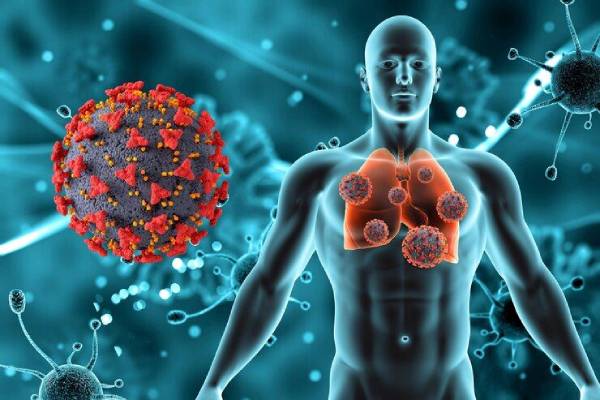
What is Lung Cancer?
Lung cancer is the uncontrolled growth of abnormal cells in the lungs that form a tumour and interfere with normal breathing. If not treated in time, these cells can spread to other organs like the brain, liver, and bones.
Lung cancer is one of the most common cancers in India — but when caught early, it is highly treatable.
Lung cancer is divided into two main types:
1. Non-Small Cell Lung Cancer (NSCLC) The most common type — found in 85% of patients. It grows slowly and has three subtypes:
- Adenocarcinoma – Most common, even in non-smokers
- Squamous Cell Carcinoma – Strongly linked to smoking
- Large Cell Carcinoma – Grows and spreads quickly
2. Small Cell Lung Cancer (SCLC) Less common but more aggressive — found in 15% of patients. It spreads fast and is almost always linked to heavy smoking. Chemotherapy and radiation are the main treatments.
Stages of Lung Cancer:
Understanding the stage of lung cancer helps the doctor plan the right treatment. The stage tells how far the cancer has spread in the body.
Lung cancer is divided into 4 main stages:
Stage 1 – Early Stage The cancer is small and found only in the lung. It has not spread to nearby lymph nodes or other parts of the body. Surgery is usually the first choice at this stage and gives the best chance of cure.
Stage 2 – Localised Spread The tumour has grown slightly larger or has spread to nearby lymph nodes in the chest. Surgery combined with chemotherapy is commonly recommended.
Stage 3 – Advanced Local Disease The cancer has spread to lymph nodes in the middle of the chest or to nearby structures. Stage 3 is further divided into:
- Stage 3A – May still be operable in some cases
- Stage 3B – Usually treated with chemotherapy and radiation together
- Stage 3C – Requires a combination approach; surgery may not always be possible
Stage 4 – Metastatic Stage The cancer has spread to both lungs, the fluid around the lungs, or to other organs such as the brain, liver, or bones. Treatment at this stage focuses on controlling the disease, relieving symptoms, and improving quality of life through targeted therapy, immunotherapy, and palliative care.
The earlier lung cancer is caught, the more treatment options are available. Do not wait for symptoms to get worse — consult a lung cancer doctor in Pune as soon as possible.
Lung Cancer Causes:
Lung cancer is one of the leading causes of cancer-related deaths globally. Understanding the cause can help in prevention and early detection.
- Smoking – The single biggest cause of lung cancer, responsible for nearly 85% of all cases. The longer and more you smoke, the higher the risk.
- Secondhand Smoke – Regular exposure to someone else’s cigarette smoke also significantly increases your risk, even if you have never smoked yourself.
- Environmental Factors – Long-term exposure to harmful substances like asbestos, radon gas, silica, and industrial chemicals at the workplace raises the risk considerably.
- Genetics – A family history of lung cancer can increase your chances of developing it, even if you have never smoked or been exposed to pollutants.
- Air Pollution – Living or working in areas with high levels of outdoor or indoor air pollution over a long period can damage lung tissue and trigger cancer.
- Age – The risk of lung cancer increases with age. Most cases are diagnosed in people above 50 years, as cells are more likely to develop mutations over time.
Lung Cancer Symptoms:
Lung cancer signs often do not appear until the disease is advanced. Yet, Common symptoms include:
- Constant cough: A cough that doesn’t go away after some time
- Chest pain: Pain that is often worse when taking deep breaths, coughing, or laughing.
- Coughing up blood or rust-colored sputum: This can be a serious sign and needs immediate medical alert.
- Loss of appetite and unexpected weight loss: These changes can be indicative of underlying health issues, including lung cancer.
- Recurrent infections: Frequent bronchitis or pneumonia can indicate a more serious problem.
- Shortness of breath or wheezing: Problem breathing or a whistling sound when exhaling.
- Hoarseness or voice change: A constant change in voice quality can be a sign of lung cancer.
- Fatigue or weakness: Feeling unusually fatigued or weak.
- Swelling of the face or neck: This can be a sign of superior vena cava syndrome, a difficulty of lung cancer.
- Pain in the bones: Pain in the back, hips, or ribs can happen if the cancer has extended to the bone.
If you or a loved one is experiencing any of these indications, it is important to consult Dr. Manoj Dongare promptly.
Lung Cancer Screening – Who Should Get Tested?
Lung cancer often shows no symptoms in the early stages. By the time symptoms appear, the disease may already be at an advanced stage. Lung cancer screening helps find cancer early — when it is most treatable.
Who should get screened for lung cancer?
- Are aged 50 years or above
- Have a history of smoking (current smoker or quit within the last 15 years)
- Have smoked at least 20 pack-years (1 pack per day for 20 years, or 2 packs per day for 10 years)
- Have a family history of lung cancer
- Have been exposed to asbestos, radon gas, or industrial chemicals at work
- Have a history of previous lung disease such as COPD or tuberculosis
What does lung cancer screening involve?
The standard screening test for lung cancer is a Low-Dose CT Scan (LDCT) of the chest. It is a quick, painless scan that takes only a few minutes. It does not require any injection and uses a lower dose of radiation than a regular CT scan.
Benefits of early screening:
- Detects cancer before symptoms appear
- More treatment options available at early stages
- Higher chance of successful surgery and cure
- Reduces risk of cancer spreading to other organs
If you fall in any of the above categories, speak to a lung cancer specialist in Pune for advice on screening. Early detection saves lives.
Lung Cancer Risk Factors:
Dr. Manoj Dongare offers Cancer Treatment in Pune. he guided several factors can increase the risk of developing lung cancer, including:
- Smoking or exposure to tobacco smoke
- Exposure to Radon Gas
- Asbestos Exposure
- Family History
- Previous radiation therapy
- Air Pollution
It is important to mention that these risk factors can improve the chance of developing lung cancer, but not all cases of lung cancer can be related to these elements. If you are concerned about your risk of developing lung cancer, talk to your doctor or Talk to Dr. Manoj Dongare, an oncologist.
How to diagnose Lung Cancer?
Early and accurate diagnosis is important for useful lung cancer therapy. At Dr. DY Patil Hospital and Cloverleaf Specialty Clinic, Wakad, Pune the diagnostic process involves:
- Imaging Tests: Chest X-rays, CT scans, and PET scans are used to detect lung abnormalities and assess the extent of the disease.
- Biopsy: A definitive diagnosis is made by examining a tissue example from the lung, which can be obtained via methods such as bronchoscopy, needle biopsy, or thoracoscopy.
- Molecular Testing: Analyzing the cancer cells for specific mutations helps targeted therapies.
Best treatment option for Lung Cancer Treatment in Pune:
According to Dr. Manoj Dongare here are some common therapies for lung cancer:
- Surgery: Surgery aims to remove the tumor and, in some cases, surrounding tissues or lymph nodes. The type of surgery depends on the tumor’s size and location:
- Lobectomy: Evacuation of a curve of the lung.
- Pneumonectomy: Removal of an entire lung.
- Segmentectomy or Wedge Resection: Removal of a small part of the lung.
- Chemotherapy: Chemotherapy uses strong drugs to kill cancer cells or stop their growth. It can be issued orally or intravenously and is often used in a mixture with other therapies.
- Radiation Therapy: Radiation therapy utilizes high-energy radiation to target and kill cancer cells. It can be an option for patients who cannot undergo surgery or as an adjunct to other treatments.
- Targeted Therapy: Targeted therapy concentrates on typical molecules included in cancer growth. By blocking these molecules, targeted drugs can inhibit the growth of cancer cells while minimizing damage to normal cells.
- Immunotherapy: Immunotherapy leverages the body’s immune system to battle cancer. It includes checkpoint inhibitors and other agents that help the immune system recognize and attack cancer cells.
- Palliative Care: Palliative care focuses on enhancing the quality of life for patients with refined cancer. It manages symptoms such as pain, nausea, and shortness of breath and provides support for emotional and psychological needs.
Minimally Invasive Lung Cancer Surgery (VATS):
Not all lung cancer surgery requires a large open cut in the chest. Today, many patients can be treated using VATS — Video-Assisted Thoracoscopic Surgery — a minimally invasive technique that is safer and has a much faster recovery.
What is VATS surgery?
In VATS, the surgeon makes 2 to 3 small cuts on the side of the chest and inserts a tiny camera (thoracoscope) along with surgical instruments. The camera sends a live image to a screen, allowing the surgeon to see inside the chest and remove the tumour with great precision — without opening the full chest.
Types of lung cancer surgery performed using VATS:
- Lobectomy – Removal of an entire lobe of the lung (most common surgery for lung cancer)
- Segmentectomy – Removal of a segment of the lung
- Wedge Resection – Removal of a small, wedge-shaped piece of lung tissue containing the tumour
- Lymph Node Removal – Nearby lymph nodes are also removed and tested
Life After Lung Cancer Treatment – Recovery & Follow-Up:
Recovery after lung cancer treatment depends on the type of treatment received — surgery, chemotherapy, radiation, or a combination. Here is a simple guide to help you or your family member understand what to expect.
Recovery After Lung Cancer Surgery:
- Day 1–3: You will be in the ICU or recovery ward. A chest drain may be placed to remove excess fluid. Breathing exercises begin early.
- Day 3–5: You will be moved to a regular room. Short walks are encouraged to prevent blood clots.
- Day 5–7: Most patients are discharged from hospital after VATS surgery. Open surgery may require a longer stay.
- Week 2–4: Rest at home. Avoid lifting heavy objects, driving, or strenuous activity.
- Week 6–8: Most patients can return to light daily activities. Follow-up scan and blood tests are done.
- 3 Months Onwards: Regular follow-up every 3–6 months to monitor recovery and check for any recurrence.
Lifestyle Tips By Dr. Manoj Donagre After Lung Cancer Treatment:
- Stop smoking completely — this is the single most important step
- Eat a balanced, protein-rich diet to help your body heal
- Do gentle breathing exercises (pulmonary rehab) as advised
- Attend all follow-up appointments without skipping
- Talk to a counsellor or support group — emotional recovery is equally important
- Regular follow-up is not optional — it is essential. Many recurrences are caught early during routine scans when treatment is still very effective.
Cost of Lung Cancer Treatment in Pune?
The cost of lung cancer treatment in Pune varies depending on several factors. It is not possible to give one fixed price without a proper evaluation, but the following gives you a clear idea of what affects the total cost.
Factors that determine the cost of lung cancer treatment in Pune:
- Stage of cancer – Early-stage treatment is generally less expensive than advanced-stage treatment
- Type of treatment – Surgery, chemotherapy, radiation, targeted therapy, or immunotherapy — each has a different cost
- Surgical approach – VATS (minimally invasive) vs open chest surgery
- Hospital facilities – ICU stay, ward type (general, semi-private, or private), and length of stay
- Diagnostics – CT scan, PET scan, biopsy, molecular testing before treatment begins
- Medicines – Targeted therapy and immunotherapy medicines can vary significantly in price
- Post-treatment care – Follow-up visits, pulmonary rehabilitation, and supportive medicines
Lung Cancer Treatment Under Government Schemes in Pune:
The cost of lung cancer treatment should never come in the way of getting the right care. At D.Y. Patil Hospital, Pimpri-Chinchwad, lung cancer surgery and treatment in Pune is available under several government health schemes — making it accessible to patients from all financial backgrounds.
Government schemes accepted for lung cancer treatment in Pune:
- Mahatma Jyotiba Phule Jan Arogya Yojana (MJPJAY)
- Central Government Health Scheme (CGHS)
- Ex-Servicemen Contributory Health Scheme (ECHS)
- Maharashtra Police Kutumb Arogya Yojana (MPKAY)
- Dhanwantari Scheme – Pimpri Chinchwad
Not sure if you qualify? Our team will help you check your eligibility and assist with all paperwork. No patient should delay lung cancer treatment because of financial concerns.
Why Choose Dr. Manoj Dongare for Lung Cancer Treatment in Pune?
Dr. Manoj Dongare is a recognised oncologist from Pune who specialises in the treatment of lung cancer. Here are some reasons why he should be your doctor for lung cancer treatment in Pune:
- Extensive Experience: Dr. Dongare has years of specialized experience in oncology, delivering personalized therapy plans for lung cancer.
- State-of-the-Art Facilities: He practices at Dr. DY Patil Hospital and Cloverleaf Specialty Clinic, both fitted with advanced technology.
- Comprehensive Care: Uses a multidisciplinary approach, working with a team of specialists for holistic treatment.
- Patient-Centered Approach: Known for compassionate care, he supports and guides patients throughout their treatment journey.
- Innovative Treatments: Incorporates the latest advancements in targeted and immunotherapy for useful therapy.
- Successful Track Record: Proven success in treating lung cancer with multiple positive patient testimonials.
- Cancer Treatment Under Government Schemes: Reasonable therapy options through various government schemes, such as MJPJAY, CGHS, ECHS, MPKAY, and the Dhanwantari Scheme
Schedule an Appointment with Dr. Manoj Donage:
If you or a loved one has been diagnosed with lung cancer, do not delay. Early consultation can make a significant difference to your treatment outcome. Contact Dr. Manoj Dongare today to book your appointment and get a personalised treatment plan.
Call us: 09881379573
or Book an Appointment Online
FAQs About Lung Cancer Surgery in Pune:
Surgery aims to remove the tumor and, in some cases, surrounding lung tissue. It’s typically used for localized cancers
Expect regular consultations, diagnostic tests, and a personalized treatment plan. Side effects vary depending on the treatment.
It can be treated effectively, especially if detected early. The goal is often to manage the disease and improve the quality of life.
Advances include targeted therapies, immunotherapies, and minimally invasive surgical techniques.
Contact the clinic directly or use their online appointment system to schedule a consultation.
Lung cancer is diagnosed through a combination of tests. The process usually starts with a chest X-ray or CT scan to look for any abnormal growth in the lungs. If something suspicious is found, a biopsy is done — a small sample of tissue is taken from the lung and examined under a microscope to confirm whether it is cancer. Additional tests like PET scan, MRI, and molecular testing may be done to understand the type and stage of cancer. Dr. Manoj Dongare at D.Y. Patil Hospital, Pimpri-Chinchwad uses advanced diagnostic tools to ensure an accurate and early diagnosis for every patient.
A chest X-ray can sometimes show a suspicious shadow or mass in the lungs that may indicate lung cancer. However, X-ray alone is not enough to confirm lung cancer — it can miss small tumours, especially in the early stages. A Low-Dose CT scan (LDCT) is a much more sensitive and reliable test for detecting lung cancer early. If your X-ray shows anything abnormal, Dr. Manoj Dongare will recommend further imaging and tests to get a clearer picture and confirm the diagnosis.
Stage 4 lung cancer means the cancer has spread to other parts of the body. While a complete cure is difficult at this stage, it is important to know that Stage 4 lung cancer is treatable. With the latest advances in targeted therapy, immunotherapy, and palliative care, many patients live longer and with a better quality of life than before. Dr. Manoj Dongare creates a personalised treatment plan for every Stage 4 patient — focusing on controlling the disease, managing symptoms, and supporting the patient and family through every step of the journey. Every case is different, and treatment decisions are always based on the individual patient’s condition and overall health.