
Have you ever wondered what happens after a mastectomy? For many women, the emotional impact of losing a breast can be as challenging as the cancer treatment itself. Thankfully, breast reconstruction after mastectomy offers hope — restoring not just physical appearance but also confidence and emotional well-being.
In This Blog, You Will Learn
- What breast reconstruction means and why it’s done?
- The types of breast reconstruction surgery available.
- Factors to consider before choosing the right option.
- Cost, recovery, and available government health schemes in India.
What is Breast Reconstruction?
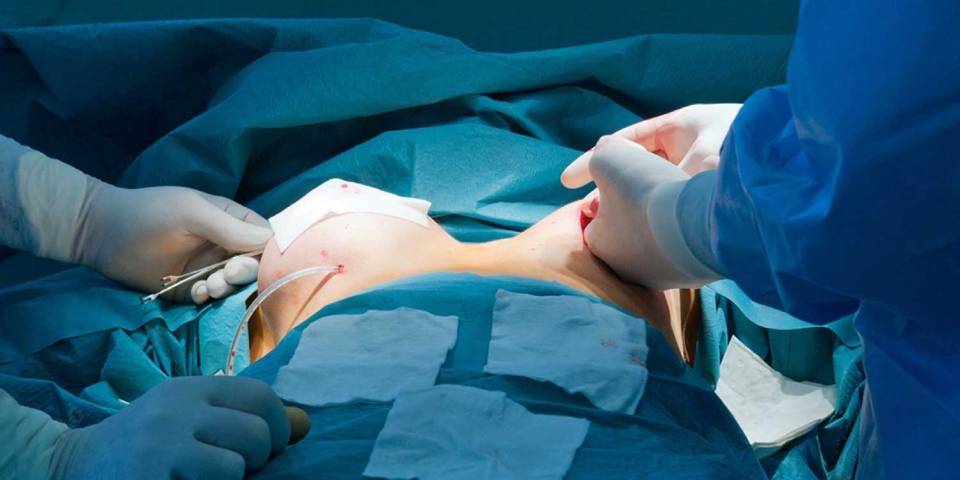
Breast reconstruction is a surgical procedure to rebuild the shape and look of a breast after mastectomy or lumpectomy. It can be done immediately after mastectomy or delayed until after other treatments like chemotherapy or radiation. The goal is to restore natural contour, improve symmetry, and help patients regain self-confidence.
Types of Breast Reconstruction Options:
There are several reconstructive breast surgery options, and the right choice depends on your body type, medical condition, and personal goals. Each method has unique benefits and recovery timelines, so understanding them helps you make an informed decision.
1. Implant-Based Reconstruction:
This is one of the most common approaches for breast reconstruction after mastectomy, especially for women who prefer a less invasive option.
- Tissue Expander Reconstruction: A balloon-like device is placed under the chest muscle or skin during a mastectomy. Over several weeks, it’s gradually filled with saline to stretch the skin. Once the area is ready, a second surgery replaces the expander with a permanent silicone or saline implant.
- Direct-to-Implant Reconstruction: In suitable patients — usually those with smaller breasts, no prior radiation, and who do not smoke — a permanent implant is placed directly during the mastectomy. This avoids a second surgery and offers quicker recovery. This method offers a shorter operation and faster recovery, but implants may need replacement after several years.
2. Autologous Tissue Reconstruction (Flap Reconstruction):
Also known as flap reconstruction, this method uses the patient’s own tissue from another part of the body to create a natural-looking breast. It provides excellent long-term results and a more natural feel compared to implants.
- DIEP Flap (Deep Inferior Epigastric Perforator Flap): Uses skin and fat from the lower abdomen while preserving the abdominal muscle. This is a highly preferred technique due to its natural result and minimal muscle damage.
- TRAM Flap (Transverse Rectus Abdominis Myocutaneous Flap): Uses skin, fat, and a portion of the abdominal muscle. While effective, it may lead to some abdominal weakness post-surgery.
- Latissimus Dorsi (LD) Flap: Uses skin, fat, and muscle from the upper back, sometimes combined with an implant for volume.
- Buttock Flaps (IGAP and SGAP): Use tissue from the buttocks without removing muscle, making them ideal when abdominal tissue is unavailable.
- Thigh Flaps (PAP and TUG): Use skin and fat from the inner or back thigh to reconstruct smaller breasts.
While flap procedures are longer and require more recovery time, they tend to look and feel more natural and age well with the body.
3. Other Considerations in Breast Reconstruction:
- Nipple-Areolar Reconstruction: The nipple and areola can be surgically recreated or restored using 3D tattooing, giving a realistic appearance. In nipple-sparing mastectomy reconstruction, the natural nipple and surrounding skin are preserved, offering a more natural cosmetic result.
- Contralateral Breast Surgery: To achieve better symmetry, surgeons may perform a balancing procedure on the other breast — such as lifting, reducing, or augmenting it.
Factors to Consider Before Choosing a Reconstruction Method:
Before deciding, your surgeon will consider:
- The stage and type of cancer.
- Your overall health and body shape.
- Whether you’ll need radiation therapy.
- Personal expectations and lifestyle.
Your doctor will also discuss immediate vs delayed breast reconstruction, depending on your treatment timeline.
How the Reconstruction Procedure is Done?
During surgery, the surgeon either inserts implants or uses body tissue to form a new breast mound. The process may involve multiple stages, including nipple reconstruction or adjustments to the other breast for symmetry. Patients are advised to discuss what to expect after breast reconstruction with their surgeon for better preparation.
Risks and Limitations of Reconstructive Breast Surgery:
Like any major surgery, breast reconstruction after mastectomy comes with certain risks. However, with an expert like Dr. Manoj Dongare and his skilled team of breast cancer reconstruction specialists in PCMC Pune, these complications are rare and handled with utmost care.
Here are some possible risks and limitations:
- Infection: Can occur at the surgical site, though it’s uncommon with proper hygiene and post-op care.
- Bleeding or Fluid Accumulation (Seroma): Sometimes fluid may collect under the skin, requiring drainage.
- Implant Complications: Implants may leak, rupture, or cause capsular contracture (hardening around the implant).
- Flap Failure (in Flap Reconstruction): Rarely, the transplanted tissue may not receive enough blood supply and require correction.
- Scarring and Asymmetry: Some unevenness or visible scars may appear depending on the reconstruction method.
- Loss of Sensation: Numbness or reduced sensation around the reconstructed breast is common but may improve over time.
- Longer Recovery (in Flap Surgery): Recovery can take several weeks due to the complexity of the procedure.
Despite these risks, reconstructive breast surgery treatment in Pune has a high success rate when performed by experienced specialists.
Recovery, Aftercare, and Emotional Support:
Recovery varies depending on the type of surgery. Most patients return to normal activities within a few weeks. Emotional support, physiotherapy, and regular follow-ups play an important role in healing. Support groups can also help women regain confidence post-surgery.
Cost and Government Health Schemes in India:
The breast reconstruction cost in India varies depending on the type of reconstruction, hospital facilities, and individual patient needs. However, with increasing support from government initiatives, advanced treatments are now more accessible than ever.
At Dr. D. Y. Patil Hospital and Research Centre, Pimpri, Dr. Manoj Dongare offers reconstructive breast surgery treatment in Pune under several government health schemes, including:
- Mahatma Jyotiba Phule Jan Arogya Yojana (MJPJAY)
- Central Government Health Scheme (CGHS)
- Ex-Servicemen Contributory Health Scheme (ECHS)
- Maharashtra Police Kutumb Arogya Yojana (MPKAY)
- Dhanwantari Scheme – Pimpri Chinchwad
These programs ensure that women from all backgrounds can access quality reconstructive breast surgery at affordable costs. Dr. Manoj Dongare’s goal is to make modern cancer care compassionate, ethical, and within everyone’s reach.
When to Consult a Reconstructive Breast Surgery Specialist?
If you are planning or have undergone a mastectomy, consult a breast reconstruction specialist early. Dr. Manoj Dongare, a leading breast reconstruction surgeon in Pune, guides patients through each step — from selecting the right procedure to complete recovery.
Conclusion:
Reconstructive breast surgery is not just about restoring appearance — it’s about regaining confidence and embracing life after cancer. With several breast reconstruction options available, every woman can find a solution that suits her needs and lifestyle.
Consult Dr. Manoj Dongare, one of the best breast reconstruction surgeons in Pune, for expert advice and compassionate care. With his expertise in breast cancer reconstruction and access to government health schemes, he provides the best breast cancer treatment in Pune, ensuring every woman receives the highest quality care and support.