
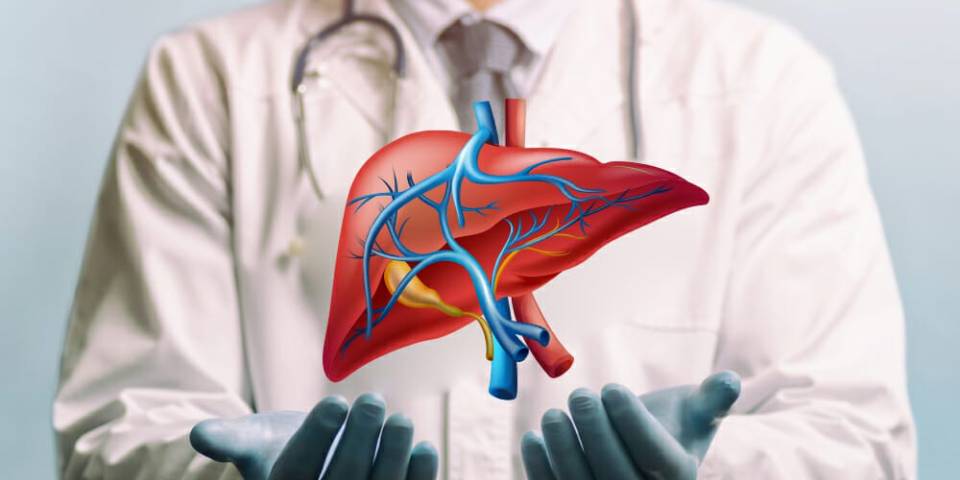
Can liver cancer be cured with a transplant?
Is surgery always the best option?
When should a patient actually go for a liver transplant?
These are common questions many families ask when someone is diagnosed with liver cancer. The truth is, a liver transplant for liver cancer can be life-saving — but it’s not always needed for every patient. Knowing the right time and the right candidate makes all the difference.
According to Dr. Manoj Dongare, an experienced liver transplant specialist in Pune, timely evaluation helps determine whether transplant surgery is the best option for long-term recovery.
Here’s What You’ll Learn in This Blog:
- When a liver transplant is required for liver cancer?
- Eligibility criteria and selection standards
- Benefits and risks of liver transplant
- What to expect during and after the procedure
- Cost and available government schemes in India
When is a Liver Transplant Needed for Liver Cancer?
A liver transplant for liver cancer is usually recommended when cancer is limited to the liver and cannot be removed by partial surgery (resection). It is most effective for patients with early-stage hepatocellular carcinoma (HCC), a common type of liver cancer.
Doctors may advise transplant surgery if:
- The cancer has not spread outside the liver.
- The patient has severe liver cirrhosis.
- Other treatments (like ablation or chemotherapy) are not suitable.
- The tumor meets specific size and number criteria (like the Milan Criteria).
In such cases, replacing the diseased liver with a healthy one can offer the best chance of cure and long-term survival.
Eligibility Criteria and Key Selection Standards:
Not every patient qualifies for a liver transplant. The liver cancer transplant eligibility criteria depend on:
- Tumor Size and Number: Usually up to three tumors, smaller than 3 cm each, or one up to 5 cm.
- No Spread Beyond the Liver: The cancer should not have spread to nearby organs or distant sites.
- Overall Health Condition: The patient must be fit enough to undergo major surgery.
- No Active Infections or Uncontrolled Medical Conditions.
For suitable candidates, a living donor liver transplant for liver cancer in India offers excellent outcomes, especially when a close family member donates part of their liver.
Benefits vs Risks of Liver Transplant in Liver Cancer:
Benefits:
- Offers a potential complete cure for selected patients.
- Replaces both cancerous and cirrhotic liver tissue.
- Improves survival rates and long-term quality of life.
Risks:
- Possible infection or rejection of the new liver.
- Need for lifelong medications to prevent rejection.
- Limited donor availability.
However, under expert guidance and advanced facilities like Dr. D. Y. Patil Hospital and Research Centre, Pimpri, patients receive advanced liver transplant treatment in PCMC Pune with excellent outcomes.
Procedure Overview: What to Expect Before, During & After:
- Before Surgery: A detailed medical evaluation, imaging, and blood tests are done to confirm transplant eligibility.
- During Surgery: The diseased liver is removed and replaced with a healthy donor liver (living or deceased donor).
- After Surgery: The patient is monitored in the ICU, followed by regular checkups to ensure the liver is functioning well.
Recovery usually takes a few weeks, and most patients can return to normal life with medical supervision.
Cost, Accessibility & Important Considerations in India:
The liver transplant cost in India for liver cancer varies between ₹20 to ₹30 lakhs, depending on the hospital and complexity.
At Dr. D. Y. Patil Hospital and Research Centre, Pimpri, Dr. Manoj Dongare provides liver transplant for liver cancer under several government health schemes, making treatment affordable and accessible.
Some supported schemes include:
- Mahatma Jyotiba Phule Jan Arogya Yojana (MJPJAY)
- Central Government Health Scheme (CGHS)
- Ex-Servicemen Contributory Health Scheme (ECHS)
- Dhanwantari Scheme (Pimpri-Chinchwad)
When to Consult a Liver Transplant Specialist?
You should consult a liver transplant specialist in Pune if:
- You have chronic liver disease with early liver cancer.
- You are not responding to standard treatments.
- Your doctor recommends evaluation for transplant eligibility.
Early referral can help you receive the best liver cancer treatment options in India and improve long-term survival.
Conclusion:
A liver transplant for liver cancer can be a life-changing procedure — but only for those who qualify. Knowing when a liver transplant is needed in liver cancer and consulting an expert early can save precious time.
Dr. Manoj Dongare, one of the most trusted liver transplant specialists in Pune, offers advanced and ethical care at Dr. D. Y. Patil Hospital and Research Centre, making complex procedures accessible under government-approved health schemes.
Early diagnosis, expert guidance, and timely decision-making can turn hope into healing.
Frequently Asked Questions (FAQ's):
A liver transplant is considered when cancer is in an early or intermediate stage and confined to the liver, especially when resection isn’t possible.
If cancer spreads beyond the liver or the patient’s health deteriorates severely, a transplant may no longer be safe or effective.
Not always. It depends on tumor size, spread, and liver function. Many patients can be treated with other therapies first.
Your oncologist or transplant surgeon will assess your scans, blood tests, and overall condition to decide if a transplant is the best option.
With early detection and treatment, survival rates after liver transplant are very high — many patients live 10 years or more.
Some centres require a six-month waiting period to monitor cancer stability and avoid recurrence before performing the transplant.