
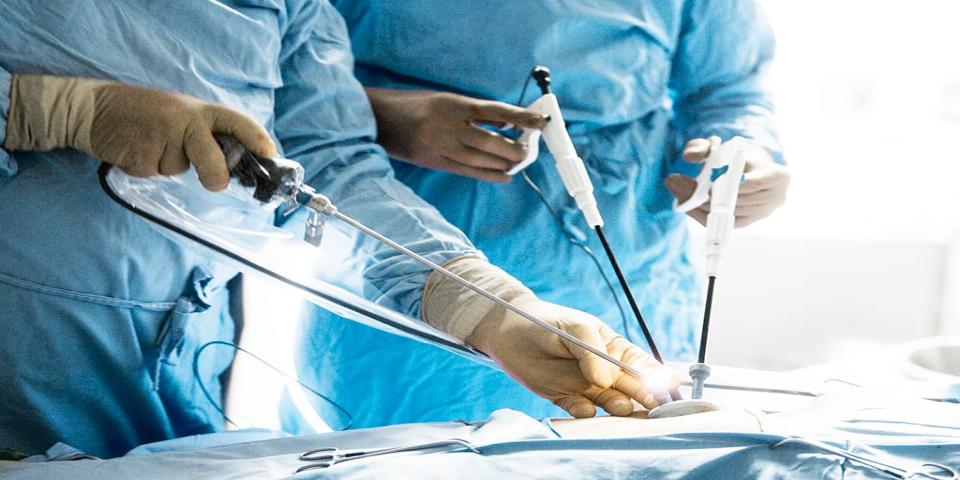
The field of oncology has seen a massive shift toward minimally invasive techniques, making the road to recovery smoother for patients. Laparoscopic Cancer Surgery is a modern surgical approach that allows doctors to perform complex operations through tiny incisions. Dr. Manoj Dongare, a Best Oncologist with over 17 years of experience, is a pioneer in performing these advanced procedures at Cloverleaf Speciality Clinic. As a specialist in HPB Surgery and GI Cancer, he combines surgical precision with the latest technology to ensure the best outcomes for his patients.
What Is Laparoscopic Cancer Surgery?
To understand this procedure, we must first look at the laparoscopy definition. It is a surgical, diagnostic and therapeutic procedure used to examine and treat the organs inside the abdomen. Often called keyhole surgery, it involves making 3 to 4 small incisions (usually 0.5 to 1 cm) instead of one large opening.
In cancer care, laparoscopic cancer surgery in Pune is used to remove malignant tumours from various organs. By using a laparoscopic endoscopy (a thin tube with a camera), surgeons can see the internal organs in high definition on a monitor and perform the surgery with specialised tools.
How Laparoscopic Surgery Works?
The process of laparoscopic operations is highly technical and involves several steps:
- Anaesthesia: The patient is placed under general anaesthesia so they are completely asleep and pain-free.
- Incision & CO2 Inflation: A small incision is made near the belly button. Carbon dioxide gas is pumped into the abdomen to inflate it. This creates space for the surgeon to see the organs clearly.
- The Laparoscope: A thin tube with a light and camera (the laparoscope) is inserted. This acts as the surgeon’s eyes inside the body.
- Specialised Tools: Additional small incisions are made to insert tiny surgical instruments. These tools are used to cut, sew, and remove the cancerous tissue.
- Tumour Removal: Once the tumour is detached, it is placed in a small surgical bag and pulled out through one of the slightly enlarged incisions.
- Closing: The gas is released, and the tiny cuts are closed with one or two stitches or surgical tape.
Types of Cancers Treated with Laparoscopic Surgery:
Not all cancers require “open” surgery. Many abdominal and pelvic malignancies are now treated using keyhole surgery:
- GI Cancer (Gastrointestinal): This includes cancers of the stomach, colon, and rectum.
- HPB Surgery (Hepatobiliary): Cancers of the liver, gallbladder, and pancreas. Keyhole surgery for pancreatic cancer is a highly specialized area where Dr. Manoj Dongare excels.
- Kidney & Bladder Cancer: Removing tumours or the entire kidney (nephrectomy) through small holes.
- Gynaecological Cancers: Including uterine and cervical cancer.
When Dr. Manoj Dongare Recommends Laparoscopic Cancer Surgery?
As a leading laparoscopic cancer surgeon in Pune, Dr. Manoj Dongare carefully evaluates every case before suggesting this method. He typically recommends it when:
- The tumour is detected in its early stages.
- The cancer has not spread extensively to the surrounding major blood vessels.
- The goal is to reduce the physical trauma of surgery on an elderly or frail patient.
- The patient requires a quick recovery to start follow-up treatments like chemotherapy.
Who Is Eligible for Laparoscopic Surgery?
While laparoscopic cancer surgery in Pune is beneficial, it is not for everyone. Eligibility is based on:
- Tumour Size: Extremely large tumours may still require open surgery for safe removal.
- Previous Surgeries: If a patient has significant scar tissue from past abdominal surgeries, laparoscopy may be difficult.
- Overall Fitness: The patient must be able to tolerate the gas used to inflate the abdomen during the procedure.
- Location: The tumour must be in a position where the laparoscopic machine tools can reach it safely.
Laparoscopic Cancer Surgery Benefits:
The shift toward keyhole surgery is driven by the significant advantages it offers to the patient:
- Smaller Scars: Instead of a 6 to 10-inch scar, you only have tiny marks that fade over time.
- Less Blood Loss: The precision of the camera allows for much less bleeding during the operation.
- Reduced Pain: Smaller incisions mean less muscle and tissue cutting, leading to significantly less post-operative pain.
- Shorter Hospital Stay: Most patients go home in 2 to 4 days, compared to a week or more with open surgery.
- Faster Recovery: You can return to work and your normal diet much sooner.
- Lower Infection Risk: Smaller wounds are less likely to get infected.
Laparoscopic vs. Open Surgery in Cancer:
Limitations and Risks of Laparoscopic Surgery:
Every surgery has risks. While laparoscopic operations are generally safe, potential issues include:
- Conversion to Open Surgery: If the surgeon finds the tumour is more complex than expected, they may need to switch to a traditional open incision for safety.
- Injury to Nearby Organs: Though rare, tools can accidentally nick the bowel or blood vessels.
- Gas Bloating: Some patients feel discomfort in their shoulders or chest due to the carbon dioxide gas used.
Side Effects of Laparoscopic Cancer Surgery:
While the side effects of laparoscopy are fewer than open surgery, patients may experience:
- Shoulder Pain: This is caused by the gas irritating the diaphragm and usually goes away in 24 hours.
- Nausea: A common reaction to general anaesthesia.
- Soreness: Mild bruising or tenderness around the small incision sites.
- Fatigue: The body uses energy to heal, so you may feel tired for a few days.
Recovery After Laparoscopic Cancer Surgery:
Recovery is much faster, but it still follows a specific path:
- Day 1: You are encouraged to sit up and perhaps take a few steps.
- Day 2-3: You transition from liquids to soft foods. Most patients are discharged by this stage.
- Week 1: You can walk around the house comfortably but should avoid heavy lifting.
- Week 2-3: Most patients return to light work and normal activities.
Cost of Laparoscopic Cancer Surgery in Pune, India:
The cost of laparoscopic cancer surgery in Pune depends on several factors:
- The type of cancer being treated (e.g., colon vs. liver).
- The complexity of the tumour removal.
- The choice of hospital and room category.
Generally, while the surgical equipment (like the laparoscopic machine) adds to the cost, the shorter hospital stay and fewer medicines often make the overall expense comparable to open surgery. Dr. Manoj Dongare also facilitates treatment under various government schemes to ensure that high-quality cancer care is accessible to everyone.
Conclusion:
Laparoscopic Cancer Surgery has revolutionized the way we fight cancer. It offers a perfect balance of surgical precision and patient comfort. By choosing a specialist like Dr. Manoj Dongare, you ensure that you are in the hands of an expert who understands the complexities of GI Cancer and HPB Surgery. If you or a loved one is facing a diagnosis, don’t hesitate to ask about minimally invasive options.
Take the first step toward a faster recovery.
Book a consultation with Dr. Manoj Dongare today.
Call: +91 98813 79573
FAQs:
Yes, laparoscopy is highly effective for removing many types of cancer, especially those in the digestive and reproductive systems. The surgeon removes the entire tumour along with a healthy margin of tissue, just as they would in open surgery.
For laparoscopic colon surgery, most patients are back on their feet in a few days and return to their normal daily routine within 2 to 3 weeks. This is significantly faster than the 6 to 8 weeks required for open colon surgery.
Laparoscopic surgery is much less painful than open surgery because the incisions are very small. While you will feel some soreness and “gas bloat” for the first 24 to 48 hours, it is easily managed with mild painkillers.
Yes, but it is a complex procedure. Keyhole surgery for pancreatic cancer (like a laparoscopic Whipple) should only be performed by a highly experienced Best HPB Cancer Surgeon like Dr. Manoj Dongare to ensure the best possible safety and success.