
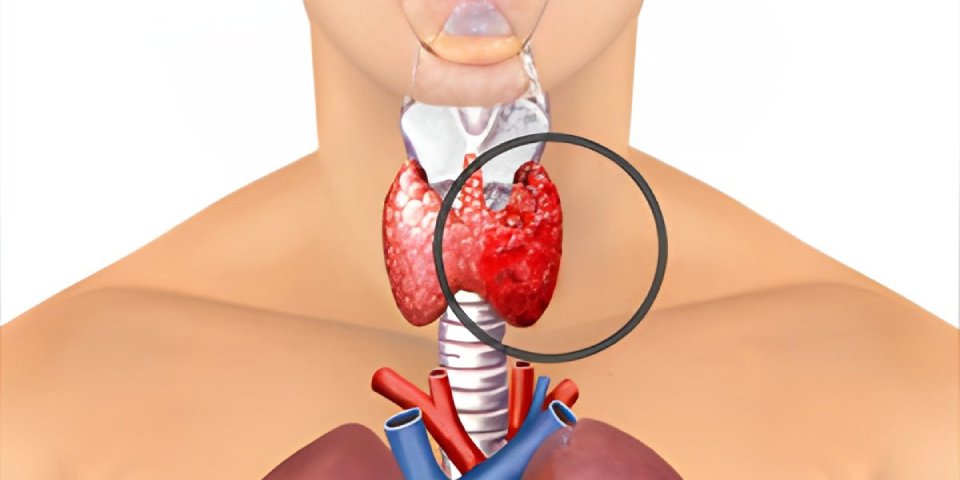
Have you ever felt a small lump in your neck and wondered if it could be something serious? Most people ignore it, thinking it’s just a minor swelling. But sometimes, a neck lump can be an early sign of thyroid cancer. Understanding the difference between harmless lumps and dangerous ones can save lives.
What Is Thyroid Cancer?
Thyroid cancer starts in the thyroid gland, a small butterfly-shaped gland in the front of the neck. It plays an important role in controlling hormones, metabolism, and body functions. With timely Thyroid Cancer Treatment in Pune, patients can recover well. The key is not to ignore the early warning signs.
Common Causes of Neck Lumps:
Not all lumps mean cancer. Many are caused by infections, swollen glands, or thyroid nodules. Some are harmless and go away on their own. However, when a lump stays for weeks or keeps growing, it could be linked to a Neck Lump and Thyroid Cancer.
Warning Symptoms That May Indicate Thyroid Cancer:
Watch out for these red flags:
- A lump or swelling in the front of the neck.
- Voice changes or hoarseness.
- Difficulty in swallowing or breathing.
- Pain in the neck or throat.
- Persistent cough not related to cold.
These are among the most common Early Signs of Thyroid Cancer, especially in women.
Risk Factors You Shouldn’t Ignore:
Some people face a higher risk of thyroid cancer:
- Family history of thyroid disease.
- Radiation exposure in the past.
- Women above 30 years of age.
- People with existing thyroid problems.
Awareness of these risk factors helps in early diagnosis.
When to See a Thyroid Cancer Specialist:
If you notice a lump that does not disappear or keeps growing, consult a doctor immediately. Tests like ultrasound, scans, and biopsy help in proper diagnosis. For safe and advanced care, patients often look for the Best Cancer Doctor in Pune who specialises in thyroid care. Early consultation ensures better recovery and smooth cancer treatment in PCMC Pune.
Expert Insights by Dr. Manoj Dongare:
Dr. Manoj Dongare, an experienced surgical oncologist, highlights the importance of early detection. According to him, many patients delay visiting a specialist and lose valuable time. With his expertise in advanced cancer surgeries, he provides personalised care for patients seeking Thyroid Cancer Treatment in Pune. His focus is always on early diagnosis, safe surgery, and improving survival rates.
Conclusion:
A neck lump may seem harmless, but it should never be ignored. Some lumps are benign, but others may point towards thyroid cancer. The best way to protect your health is through awareness, timely check-ups, and expert guidance.